

Top executives from banks and other financial institutions gathered at Capital Club East Africa in Nairobi this week to discuss the way forward for climate finance, at an exclusive event hosted by The Kenyan Wall Street in collaboration with CIB Group and 4G Capital on the sidelines of the AfDB Annual Meetings in Nairobi.
- •Stakeholders in the finance sector agree that they have a monumental responsibility to ensure that ambitious but necessary projects meant to alleviate the effects of climate change receive adequate financing.
- •The private sector has taken a leading role in combating the effects of environmental degradation by embracing sustainable and green solutions in their operations.
- •According to 4G Capital Founder and CEO Wayne Hennessey-Barrett climate financing can only succeed if there is an accompanying progressive taxation policy.
“But in the same vein as pursuing the opportunities of business empowerment and transition to a clean economy, we also have the opportunity to avoid the unsustainable high tax and high spending social models of the industrialized world,” Hennessey-Barrett said, “African economies need fair and transparent and predictable taxation systems that see businesses, individuals and governments working and benefiting together.”
While the effects of climate change affect the entire globe, certain places are at a greater risk of dissipation and devastation. Africa has for a long time battled with unusual spells of drought and destructive volumes of rainfall attributable to climate change. This is despite contributing a tiny percentage of carbon emissions.
“We as an African continent, our emission is only 5% of the entire globe. But unfortunately, the biggest cost from drought and floods caused by climate change impacts more poor people in Africa. One of the biggest challenges for financial institutions seeking is capital,” said the chairman of CIB Group, Hisham Ezz Al Arab.
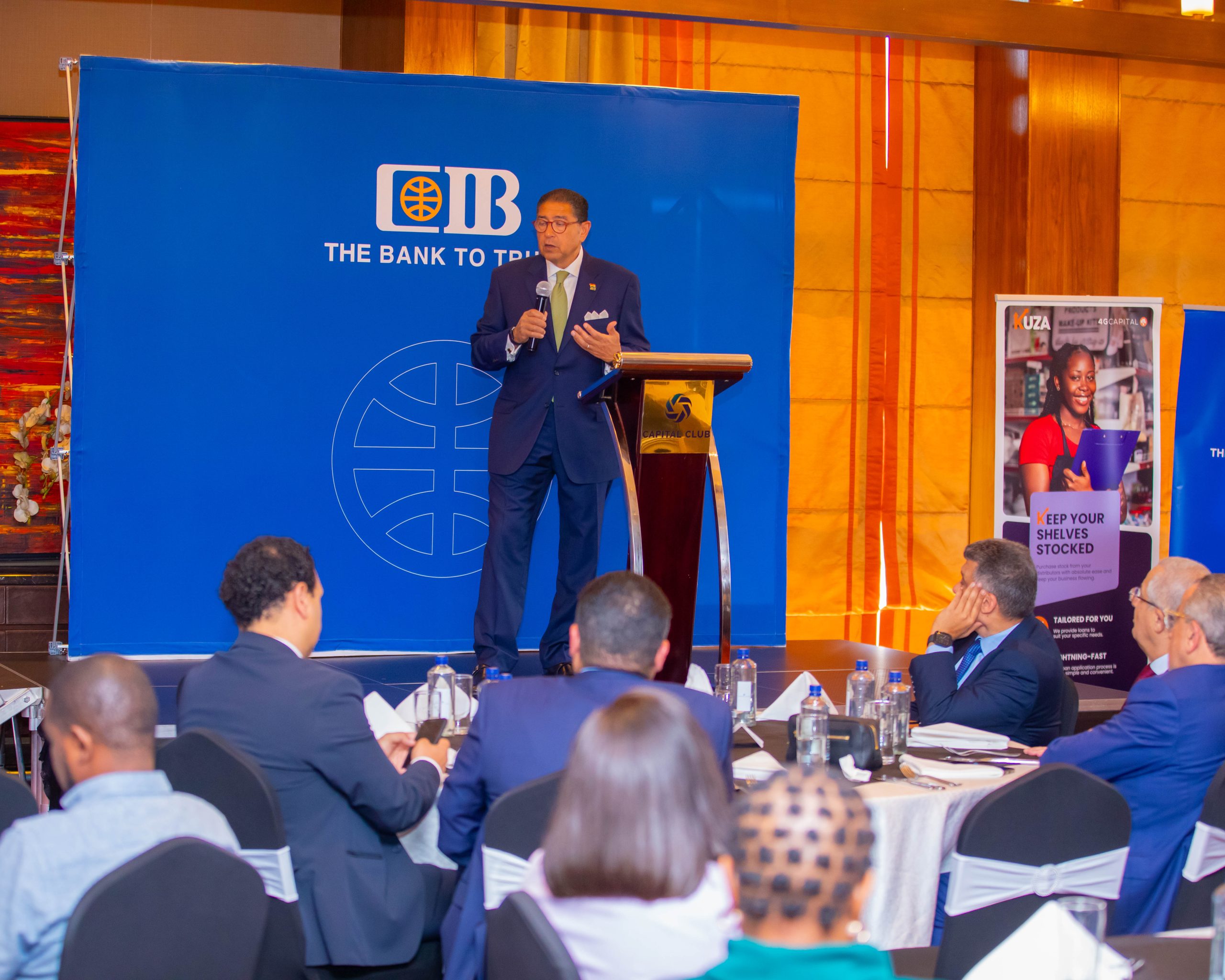
The CIB Group chairman linked the slow stream of climate financing in the continent to the unwillingness of foreign investors to provide equity funding. He believes that it is instrumental and judicious in saving the planet, especially from a global bloc that holds greater culpability for those effects.
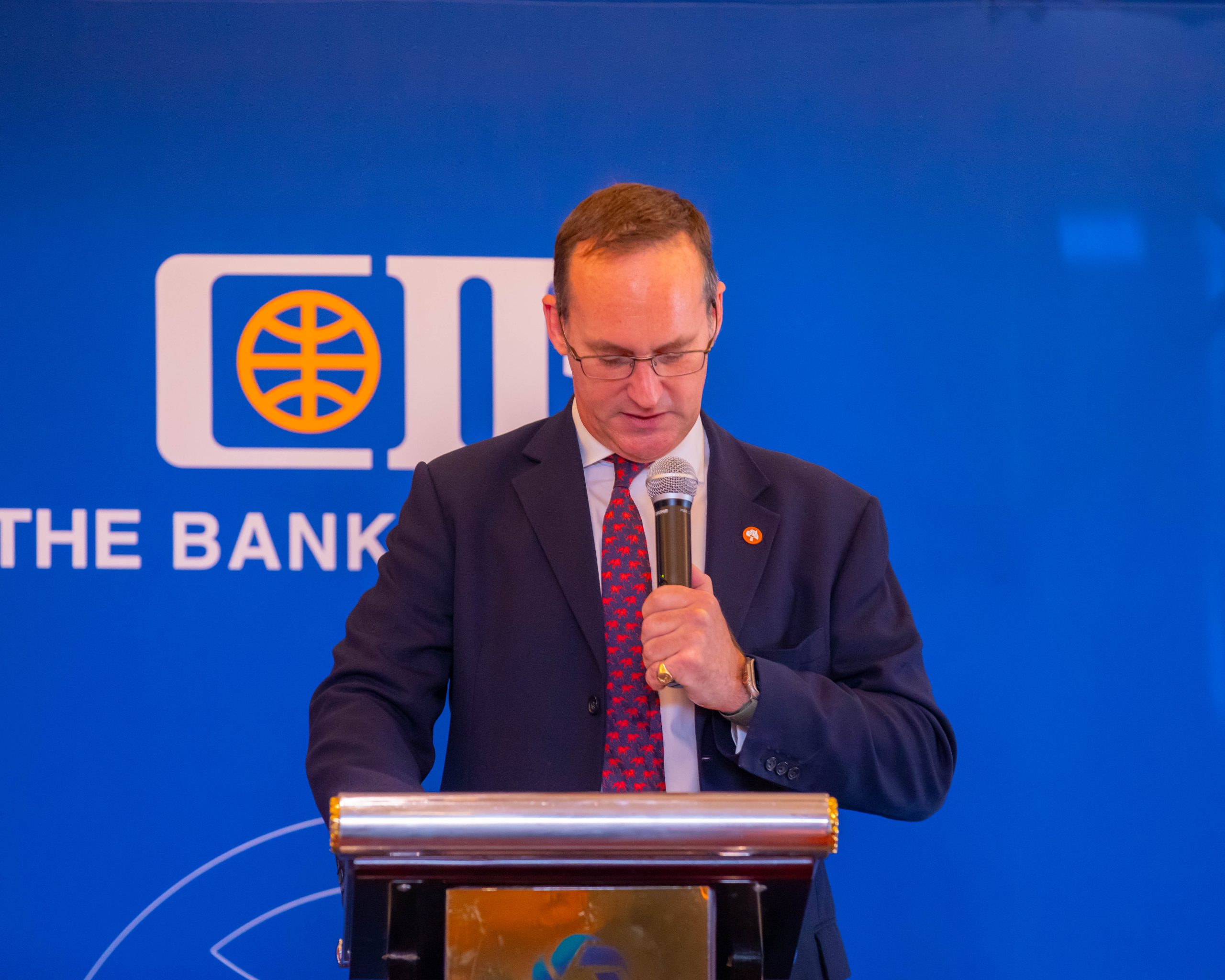
“In the same manner that Africa has benefited from technological leapfrogs, mobile digital communications and mobile money, the focus now is to accelerate the adoption of green technologies and a sustainable economy to avoid the mis-steps of the industrialized world which produces 90% of the carbon emissions.” Hennessey-Barrett added.
Al Arab says that the CIB Group has contributed as much as US$300 million to spur innovation in renewable energy and waste management in Egypt. Moreover, within its operations, CIB has taken up green solutions that would hopefully, activate a positive trend within the industry.
“We have to start with ourselves and not wait for the governments. The new CIB building is completely green, the first building in Egypt that is green. At the heart of our policies, we have changed many things including adding the sustainability committee to our board,” Al Arab said.
Climate financiers such as CIB Group perceive working with farmers in the continent was perceived as a crucial entry point because Africa relies heavily on smallholder farmers for its food production. When climate change endangers farmers’ activities, Africa’s precarious food security suffers a severe blow.
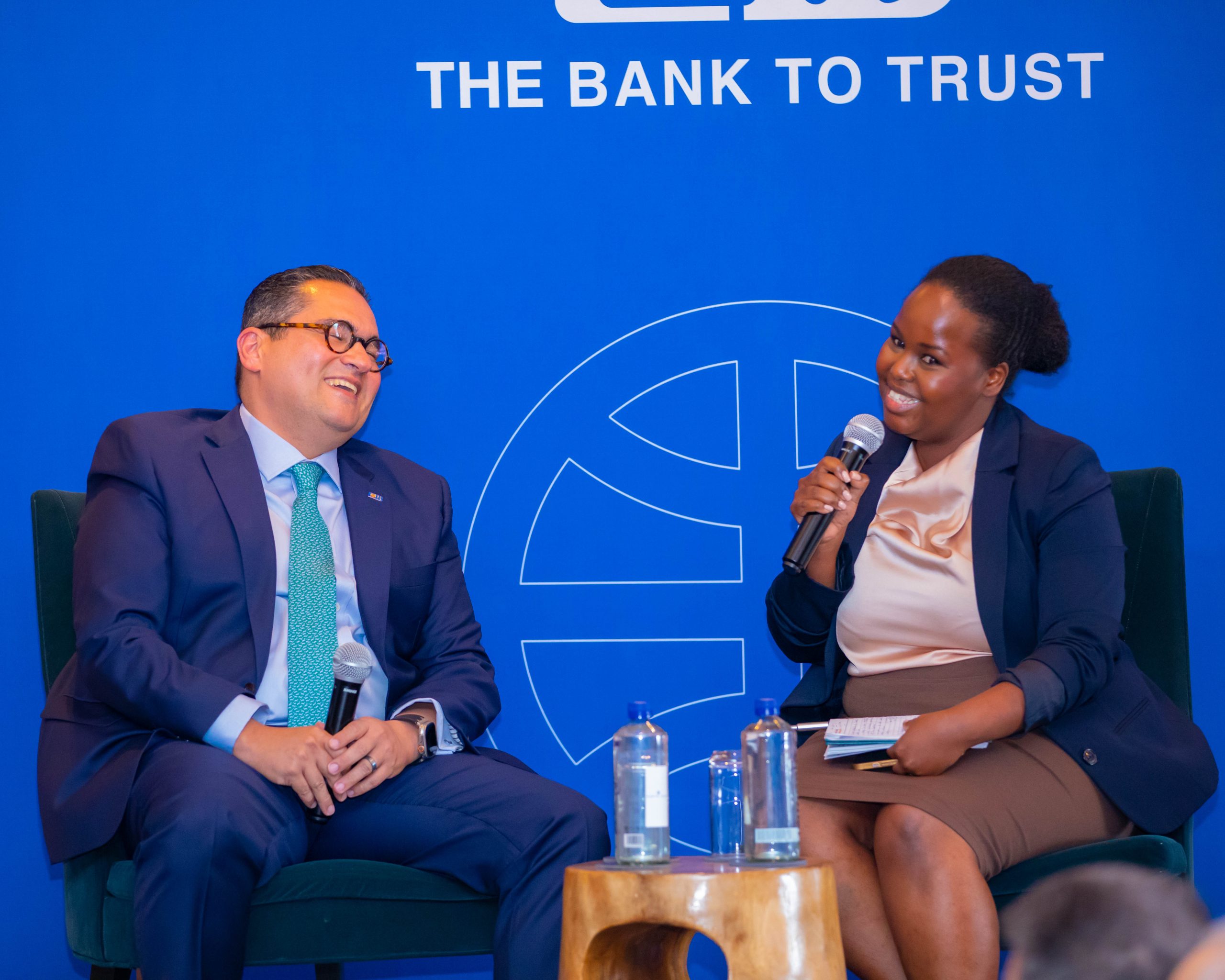
“The average age of those working in the farming industry in Egypt is around 25 to 32 years. The sector receives funds through equity finance or through ban is, with both avenues receiving value. CIB bank’s focus on that sector is developing over time because the demand is huge,” said CIB Group CFO, Islam Zekry during the fireside discussion with Dr. Yvonne Maingey.
A Reuters report indicates that between 2015 and 2020, about US$11.5 billion was loaned to the region from wealthy nations in order to combat climate change. Those figures have been rising since that period but challenges persist in terms of ensuring the funds get to individuals who can make the most use of them. This is where the private sector and government engagement comes in.
The Future of Climate Finance
Quantifying the risks prevalent in the sector has also proven difficult. Although many scientists agree that climate change is a reality, concrete numbers and projections are still elusive. This makes it difficult for financial institutions and investors to properly assess risks.
Moreover, the reluctance of other economic sectors to abandon activities that continually contribute to climate change has hampered financing efforts as nobody can be sure if they are solving anything anyway.
“The key dilemma is not channelling the funds to African countries. The key dilemma is creating opportunities not leading to more droughts, more heating, because of the emerging climate risks so that we can start creating economic value for these actions,” said CIB Group CFO, Islam Zekry.
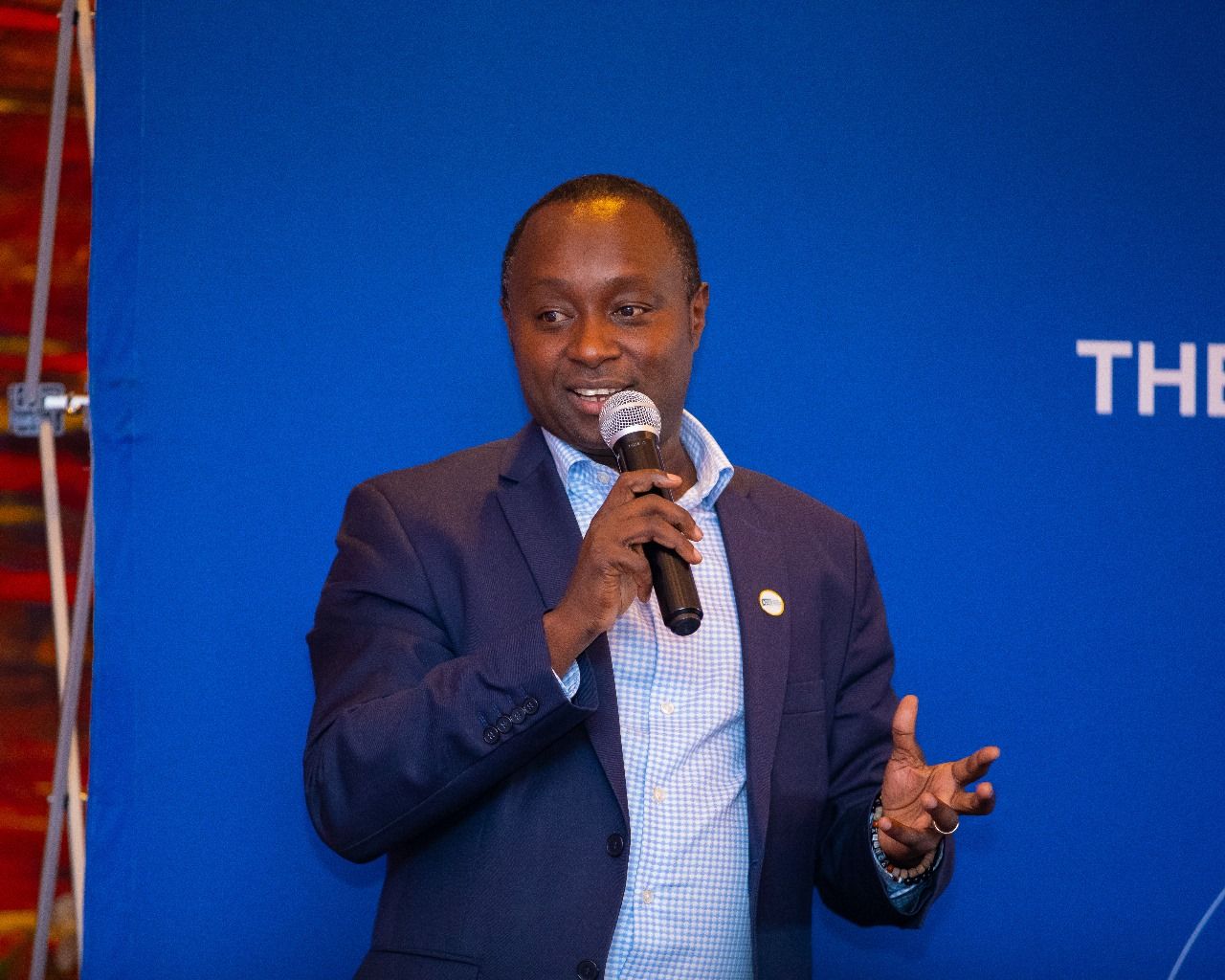
“Having met capital allocators, fund managers, and banks, I can categorically say that we absolutely do not have a funding problem, what we have is an origination and structuring problem, and it is a serious gap,” Nairobi Securities Exchange (NSE) CEO Frank Mwiti said.
Mwiti also noted a policy gap, an area he says needs to be built to ensure sustainability interventions go in the right direction. “We also need local investors to underwrite the risks within the continent that are likely to impact their operations, foreign investors should only be reached to top up the investments,” he added.
RELATED; Angaza Forum Hosts Dialogue in Nairobi on the Manifesto for African Women in Finance


